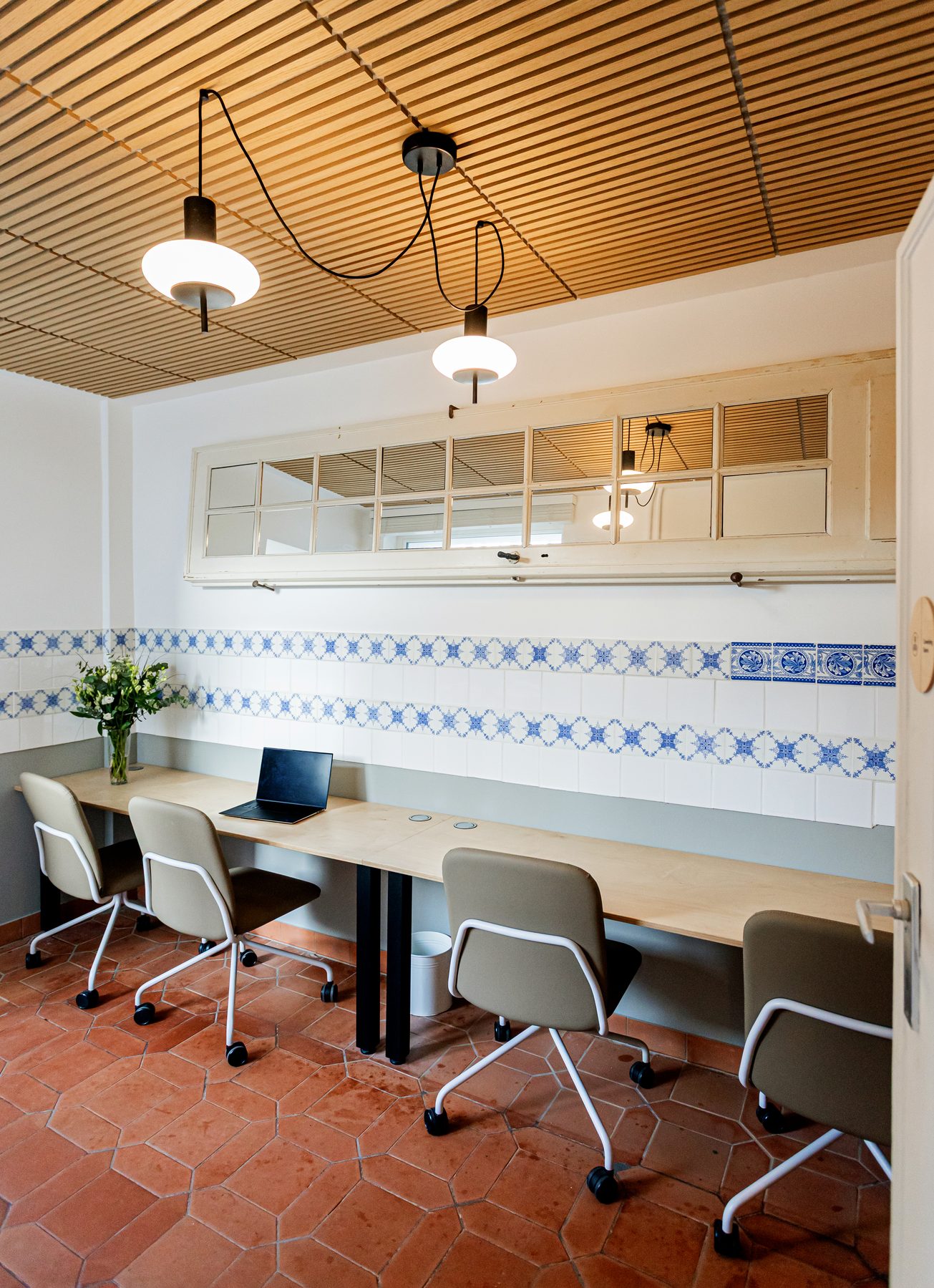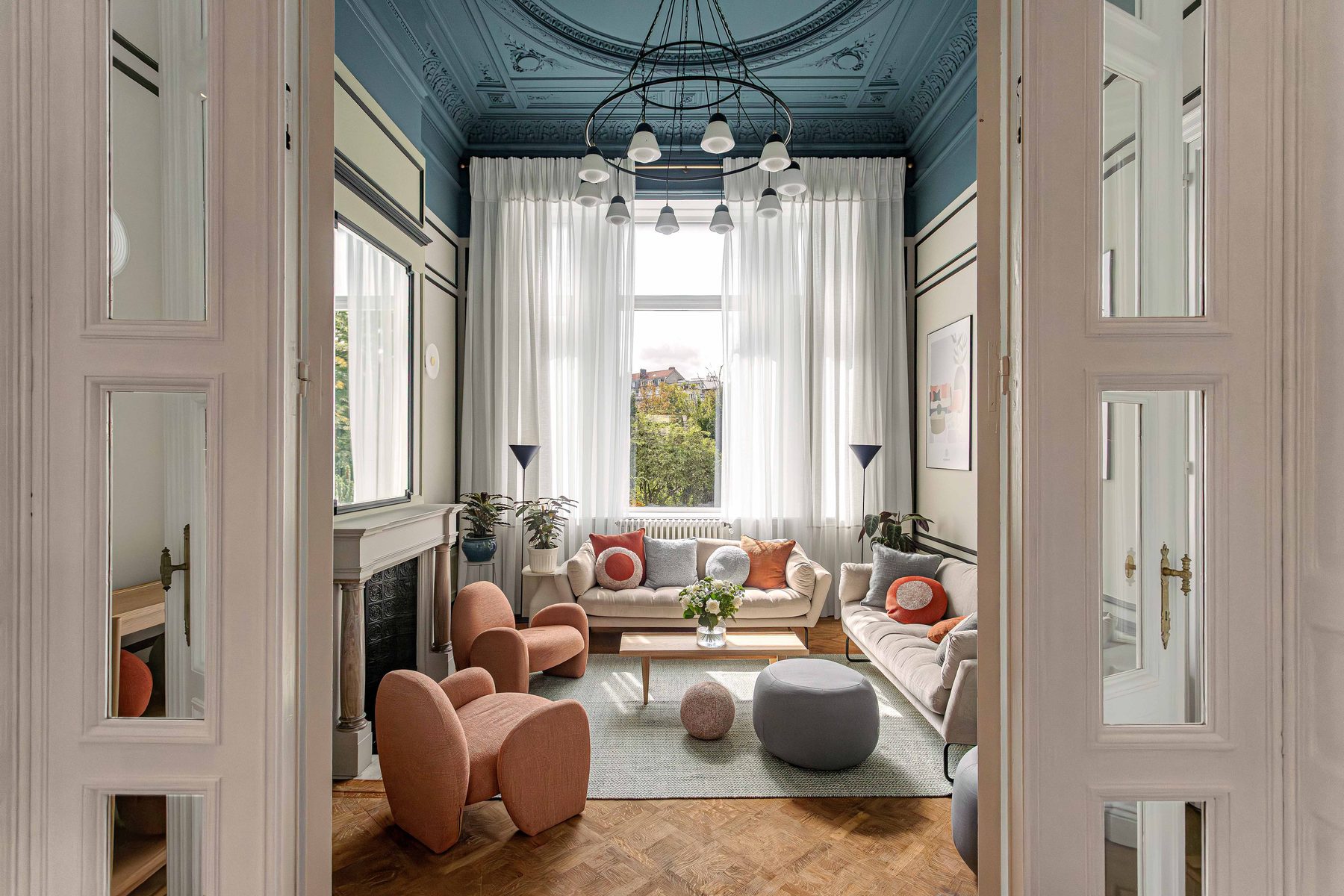
Housing for EU trainees in Brussels covers furnished rooms and apartments rented for the length of a traineeship at the EU institutions, typically five months. A Blue Book traineeship at the European Commission and a Schuman traineeship at the European Parliament both run in the European Quarter, and both start on fixed dates twice a year. Trainees arrive on a stipend of around €1,500 per month, need a room from the first day, and rarely have a Belgian rental history to fall back on. Coliving in Brussels answers all three constraints at once: a furnished private room, a contract that matches five months, and a community of other trainees already living near Schuman. This guide walks you through the options, the budget, and the booking, and it stays factual about the parts that touch registration and visas.
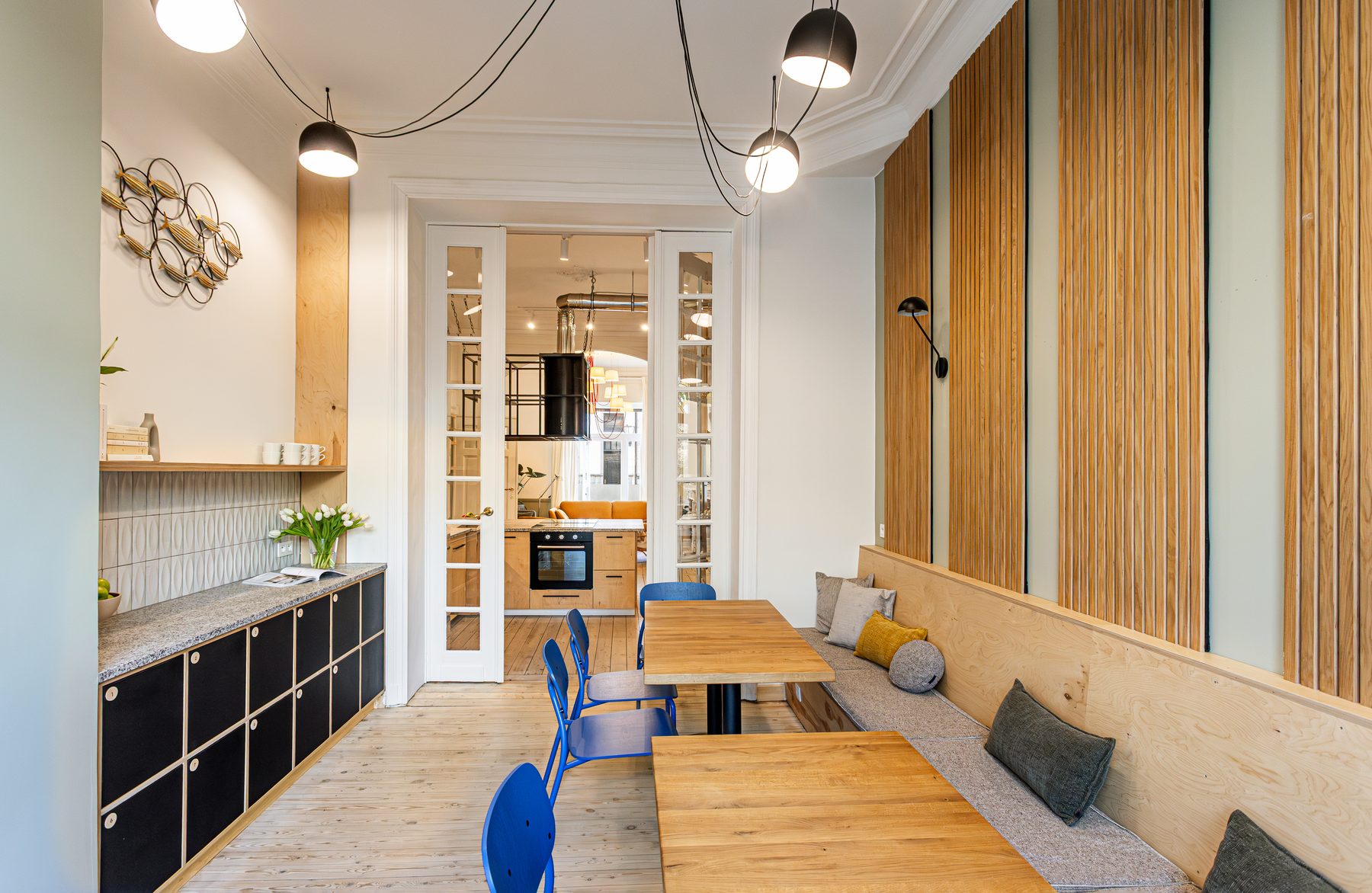
What Are the Housing Options for EU Trainees in Brussels?
The housing options for EU trainees in Brussels are listed below.
- Coliving — a furnished private room in a shared house with all-inclusive bills, from around €850 per month for a 5-month stay.
- Kot (student room) — a small furnished student room, roughly €700–€950 per month, often reserved for enrolled students.
- Colocation (flatshare) — a room in a shared flat with a joint or individual lease, about €500–€850 per month plus bills.
- Furnished studio — a self-contained studio apartment, €900–1,200 per month plus bills and setup.
- Sublet — a room re-let by a current tenant, €600–1,000 per month, often without a formal contract.
- Aparthotel — a serviced apartment with hotel-style comfort, €1,800 and up per month.
Trainees choose between these six options on four criteria: contract length, furniture, budget, and community. Coliving and aparthotels are the only options built for a fixed short stay, while kots and colocations usually assume a longer or student-linked commitment. For a fuller breakdown of every category, see this guide to the types of housing in Brussels.
When Should EU Trainees Start Looking for Housing in Brussels?
EU trainees should start looking for housing 6 to 8 weeks before the session starts. Blue Book traineeship sessions start on 1 March and 1 October each year, and the Schuman traineeship at the European Parliament follows the same two start months. Application windows open several months ahead, roughly in January for the October session and in August for the March session; for the October 2026 Blue Book intake, the application deadline falls in early April 2026, so confirm the exact date and time on the official traineeship page before you plan around it. Once selection results arrive, most trainees have 4 to 8 weeks to secure a room before the "March session" or "October session" begins. Book toward the early end of that window: the European Quarter fills quickly in the weeks before each traineeship starts.
How Much Does Trainee Housing Cost in Brussels?
The monthly cost of each housing option for EU trainees is compared in the table below.
| Option | Monthly cost (EUR, 2026) | Bills included? | Typical minimum stay |
|---|---|---|---|
| Coliving | €700–1,200 (Comoon from €850) | Yes, all-inclusive | 3 months |
| Kot | €700–€950 | Sometimes | 10–12 months |
| Colocation | €500–€850 + bills | No | 6–12 months |
| Furnished studio | €900–1,200 + bills | No | 6–12 months |
| Sublet | €600–1,000 | Varies | 1–3 months |
| Aparthotel | €1,800+ | Yes | 1–3 months |
Coliving offers the widest range of short stays with bills already included, and it is the only all-inclusive option with a monthly price that a Blue Book grant covers comfortably. A kot is cheaper on paper, but its long minimum stay and student conditions rarely fit a 5-month traineeship. These figures track the wider coliving prices in Brussels, and you can set your own budget against the full cost of living in Brussels.
How Far Does the Blue Book Grant Go for Rent in Brussels?
The Blue Book grant covers rent for a coliving room with room to spare. For the March 2026 session the grant is around €1,493 per month, and for the October 2026 session it is around €1,538 per month; these amounts are re-indexed each session, so verify the current figure on the official page. A Schuman traineeship at the European Parliament pays a higher stipend, roughly €1,889 per month for a Brussels placement, plus a travel allowance. A coliving room at about €820 takes 53–55% of a Blue Book grant, which leaves €670–720 per month for food, transport and social life. A trainee can keep rent below 50% of the grant if they share a double room with a partner or choose a room without a private bathroom. As of the 2026 sessions, these amounts hold; treat them as a starting point and confirm them against your acceptance letter.
Why Is Coliving a Good Fit for EU Trainees?
Coliving fits EU trainees because rooms are furnished, contracts match the five-month traineeship, and housemates include other trainees. Those three advantages map onto the three constraints every trainee faces: no time to furnish a flat, no reason to sign a one-year lease, and no local network on arrival. The furnished-and-all-inclusive setup removes the first, the flexible contract removes the second, and the built-in community removes the third. You can view and reserve a coliving room in Brussels online before you ever land at Zaventem.
Furnished Rooms and All-Inclusive Bills
A coliving room arrives ready to live in, with every recurring cost already bundled into one payment. All-inclusive rent covers the items listed below.
- Furniture — bed, desk, wardrobe and storage in your private room.
- Utilities — electricity, gas, water and heating.
- Internet — high-speed Wi-Fi across the house.
- Cleaning — regular cleaning of shared kitchens, living rooms and bathrooms.
- Amenities — access to coworking space and an on-site gym.
A classic rental asks you to buy furniture, sign separate utility contracts, and lock a rental deposit (garantie locative) into a blocked account. Coliving replaces all of that with all-inclusive rent from around €850 per month and no utility contracts in your name. The trade-offs between short and long commitments are covered in this guide to flexible lease agreements.
Flexible 5-Month Contracts Matching Traineeship Sessions
Coliving contracts run in flexible blocks that align with the March–July and October–February traineeship windows. You move in a few days before the session starts and move out once your final report is filed, without paying for months you do not need. You should confirm that the contract end date matches your traineeship end date before you sign, so a late deliverable or an extension does not leave you between homes.
A Community of Trainees and Young Professionals
A coliving house builds community around shared dinners, game nights and a social calendar, and its residents skew heavily toward trainees and young professionals. Because the EU institutions all recruit from the same cohorts, a single house often mixes Commission, Parliament and Council trainees, which turns your address into a ready-made professional network. Shared meals and community events in Brussels coliving also soften the isolation of moving to a new city alone, which for a five-month stay matters as much as the rent.
Where Should EU Trainees Live in Brussels?
EU trainees should live within a 20-minute commute of the European Quarter. Four neighbourhoods put you inside that radius: the European Quarter, Etterbeek, Ixelles and Schaerbeek. Metro Schuman sits directly under the Berlaymont and a short walk from the European Parliament, while Montgomery is two stops away on STIB/MIVB lines 1 and 5. From a house in the European Quarter the walk to the Berlaymont runs 5 to 10 minutes; from Etterbeek or Schaerbeek the metro ride adds 8 to 15 minutes. Comoon runs coliving houses on the doorstep of the institutions, which is why so many trainees settle for a place living near Schuman rather than commuting across the city. For the full neighbourhood picture, read this guide to the European Quarter, or look straight at a coliving house near Schuman.
How to Book a Coliving Room Before Your Traineeship Starts
Booking a coliving room before your traineeship starts takes five steps, done entirely online.
- Shortlist houses online by neighbourhood, price and move-in date.
- Request a video tour of the rooms and shared spaces you like.
- Send your application and identity documents.
- Sign the digital contract for your chosen room.
- Confirm your move-in date so it lands a few days before the session starts.
You can book remotely from your home country, without a Belgian bank account, by paying the first month from a foreign SEPA account. The full process is set out in this guide on how to rent a coliving room in Brussels, and you can browse the current selection of available rooms whenever your acceptance is confirmed.
What Are the Alternatives to Coliving for Trainees?
The alternatives to coliving for trainees are kots, colocations, sublets and short-stay studios. A kot is the cheapest option, but landlords usually reserve kots for enrolled students and expect a full academic year. A colocation splits a flat between several tenants and can work for a five-month stay, though you often inherit furniture, bills and a garantie locative from the outgoing tenant. A sublet is the fastest to arrange and the riskiest, because subletting frequently happens without a written contract or deposit protection. A short-stay studio gives you full privacy at €900–1,200 plus bills, which most grants cannot sustain alongside food and transport. For the short-stay categories in detail, see this guide to temporary furnished housing in Brussels, or compare the student angle in kot vs coliving.
Do EU Trainees Need to Register at the Commune?
EU trainees staying longer than three months are generally required to register their address at the commune, although a short-stay declaration may apply to a five-month traineeship depending on your situation. Registration (domiciliation) is handled by the commune (gemeente) where you live, and a five-month Blue Book stay sits close to the three-month threshold, so practices vary between Brussels communes. Yes — plan for the possibility of registering, and confirm the requirement with your specific commune, because each of the 19 communes applies the rules its own way.
Can Non-EU Citizens Do a Traineeship in Brussels?
Non-EU citizens can do a traineeship in Brussels, subject to a visa. Both the Blue Book traineeship and the Schuman traineeship accept a limited number of candidates from outside the EU, and selected non-EU trainees may need a visa or residence permit depending on their nationality and the length of stay. Yes — a non-EU traineeship is possible, but the immigration side depends entirely on your citizenship, so check the requirements on the official traineeship pages and with the Belgian authorities rather than relying on a single figure here.
Is Coliving Cheaper Than Renting a Studio for 5 Months?
Coliving is usually cheaper than a studio over five months once bills, furniture and deposits are counted. A furnished studio at €1,000 per month adds roughly €150 in utilities, a one-off furnishing cost, and a garantie locative of two months' rent locked away for the stay, which pushes the real monthly figure well above €1,200. A coliving room at around €820 all-inclusive carries no separate bills, no furniture purchase and a smaller deposit, so the total five-month outlay lands lower. Yes — for a fixed five-month traineeship, coliving normally wins on total cost. The full side-by-side is in coliving vs studio in Brussels.