The main difference between coliving and renting a studio in Brussels is that coliving provides a furnished private room with shared amenities for one all-inclusive monthly price, while a studio provides a fully private, self-contained apartment with separate bills and a longer lease. Coliving bundles rent, utilities, and cleaning into a single invoice from about €900 per month; a studio splits those into a base rent plus several contracts you sign and manage yourself.
This comparison is written for people moving to Brussels alone — newcomers, young professionals, and expats who have to pick one path before they arrive. The decision comes down to your total monthly cost and your lease terms, which is where these two options diverge most. The sections below compare them criterion by criterion, in the same order each time: cost, bills, contract, privacy, community, and flexibility.
What Is the Main Difference Between Coliving and a Studio in Brussels?
Coliving gives you a furnished private room inside a managed shared house with amenities and one bundled price, whereas a studio gives you a small self-contained apartment that is entirely yours but comes unbundled. The differences between coliving and a studio in Brussels are compared in the table below.
| Criteria | Coliving | Studio |
|---|---|---|
| Monthly cost (all-in) | €700–1,200 all-inclusive | €900–1,200 + utilities |
| Bills & internet | Included in the rent | Paid separately (€120–180 + ~€40) |
| Furniture | Furnished, move-in ready | Usually unfurnished |
| Contract length | 1–12 months | 9-year lease (3-6-9) |
| Deposit | 1–2 months | 2–3 months (blocked account) |
| Privacy | Private lockable room, shared kitchen/living | Full, self-contained privacy |
| Community & amenities | Gym, coworking, cinema room, events | None |
| Move-in time | 24–48 hours | 2–6 weeks |
Coliving wins on cost and flexibility, while a studio wins on complete privacy — the rest of this guide puts numbers behind each row.
How Much Does Coliving Cost Compared to a Studio in Brussels?
A coliving room in Brussels costs €700–1,200 per month all-inclusive, while a furnished studio costs €900–1,200 per month plus €120–180 in utilities and around €40 for internet. Once you add those bills, a studio's total monthly cost lands at roughly €1,060–1,520, whereas a Comoon room starts at about €950 with nothing else to pay. The coliving price stays fixed regardless of how cold the winter runs or how much data you use.
Neighborhood changes both figures. A studio in the European Quarter or Etterbeek sits at the top of the €900–1,200 range, while the same size unit in Anderlecht or parts of Molenbeek can fall below it; coliving rooms cluster near the institutions, so they trade at the higher end of the housing market but still undercut a studio on total cost. You can compare the full picture in this guide to coliving prices in Brussels, which breaks the €700–1,200 range down house by house.
What Bills Are Included in Coliving and Which Do You Pay in a Studio?
Coliving rent in Brussels includes electricity, gas, water, internet, and cleaning of common areas; studio tenants sign and pay each utility contract separately. That means one monthly invoice for a coliving resident and a stack of contracts for a studio tenant. The bills a studio tenant in Brussels pays separately are listed below.
- Electricity and gas, roughly €120–180 per month combined depending on the season
- Water, billed by the régie and settled through the charges communes
- Internet, around €40 per month on a 12-month telecom contract
- Home insurance (assurance incendie), about €15 per month and often required by the lease
- Charges communes, the building's shared running costs
- Setup and meter registration when you open each contract
Setting up electricity, internet, and insurance takes one to two weeks, so a studio tenant pays for utilities included nowhere in the base rent and waits before everything works. Coliving folds all of it into one monthly invoice, which is why the utilities included in coliving rent rarely surprise a resident at the end of the month.
How Do Coliving Contracts Differ from Studio Leases in Brussels?
Coliving contracts in Brussels typically run from 1 to 12 months, while most studios are rented under a bail de résidence principale of 9 years with 3-year break points, the arrangement Belgians call 3-6-9. The two contracts also differ on deposit and notice. A studio's garantie locative is usually 2 to 3 months placed on a blocked account, whereas a coliving deposit is normally 1 to 2 months. On notice, a studio tenant gives 3 months and, when leaving inside the first three years of a 3-6-9 lease, can owe an indemnité of up to 3 months' rent; a coliving resident typically gives 1 month and walks away clean.
The paperwork weighs differently too. A studio lease requires an état des lieux drawn up at entry and exit, and it must go through lease registration (enregistrement) at the registration office, which is free but the landlord's legal duty. Coliving operators handle the equivalent steps internally. If you want the short-term end of the market, these flexible lease agreements in Brussels coliving explain how a 1–12 month contract works in practice.
How Much Privacy Does Coliving Offer Compared to a Studio?
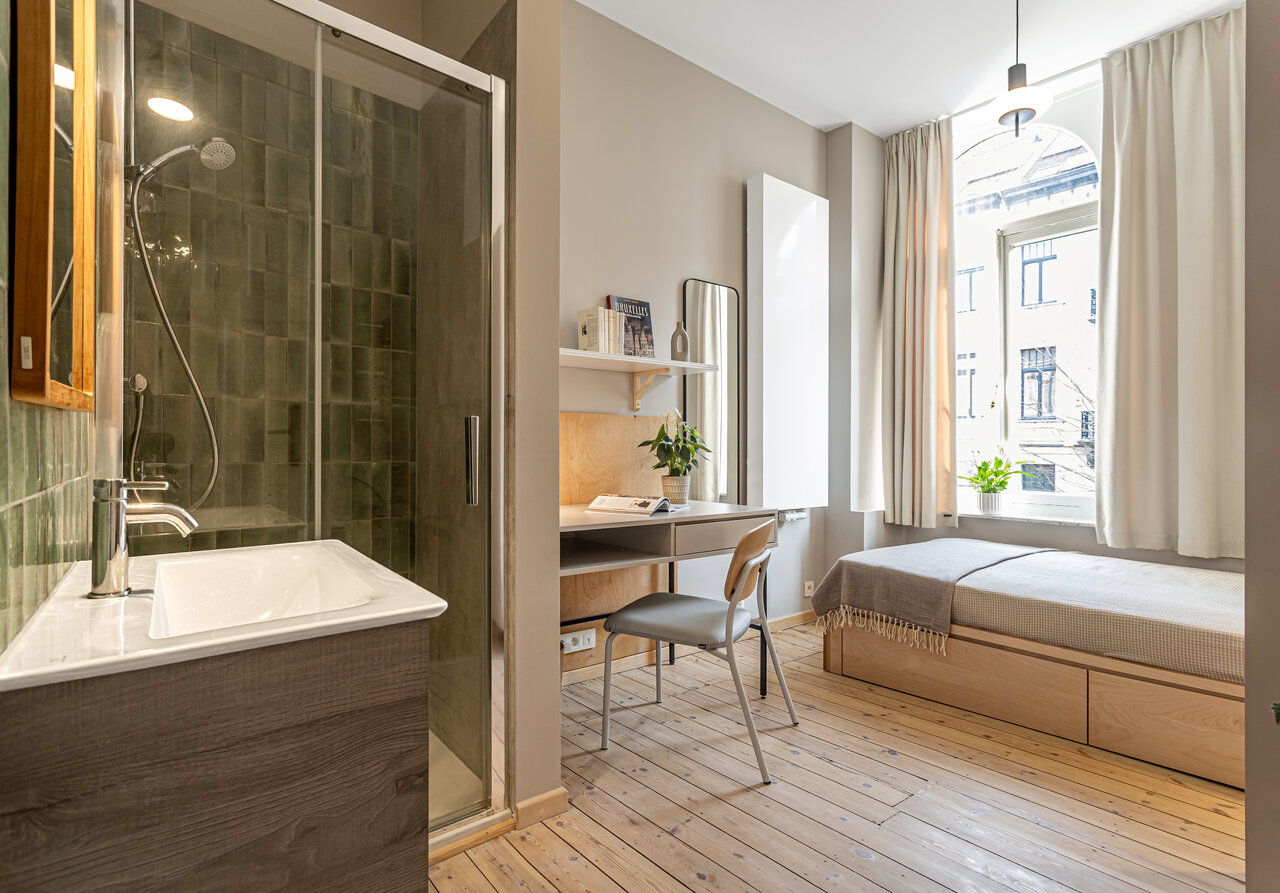
A studio offers full privacy; coliving offers a lockable private room, optionally with a private bathroom, and shared kitchens and living rooms. This is the clearest trade-off between the two, and it is worth stating plainly rather than glossing over. In a studio, the kitchen, bathroom, and living space are yours alone. In coliving, your bedroom is yours and locks, but you cook and relax in spaces shared with other residents.
Coliving privacy comes in three levels. A shared-bathroom room gives you a private bedroom and a bathroom used by a small group; a private-bathroom room adds an ensuite so only the kitchen and living room stay communal; a few houses offer studio-style units that come close to a self-contained flat. Choosing a room with a private bathroom narrows the gap with a studio without losing the shared amenities.
What Community and Amenities Does Coliving Add Over a Studio?
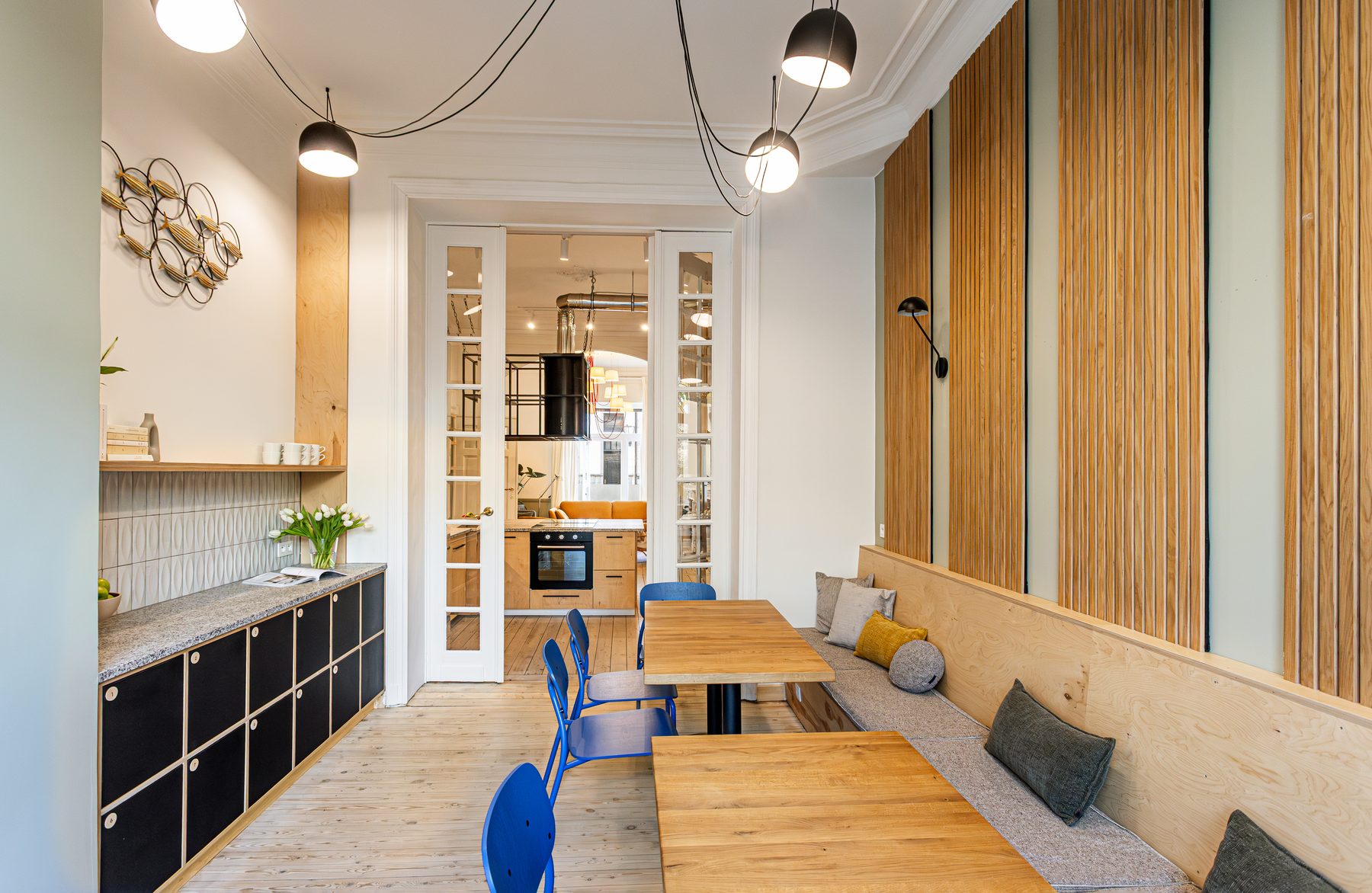
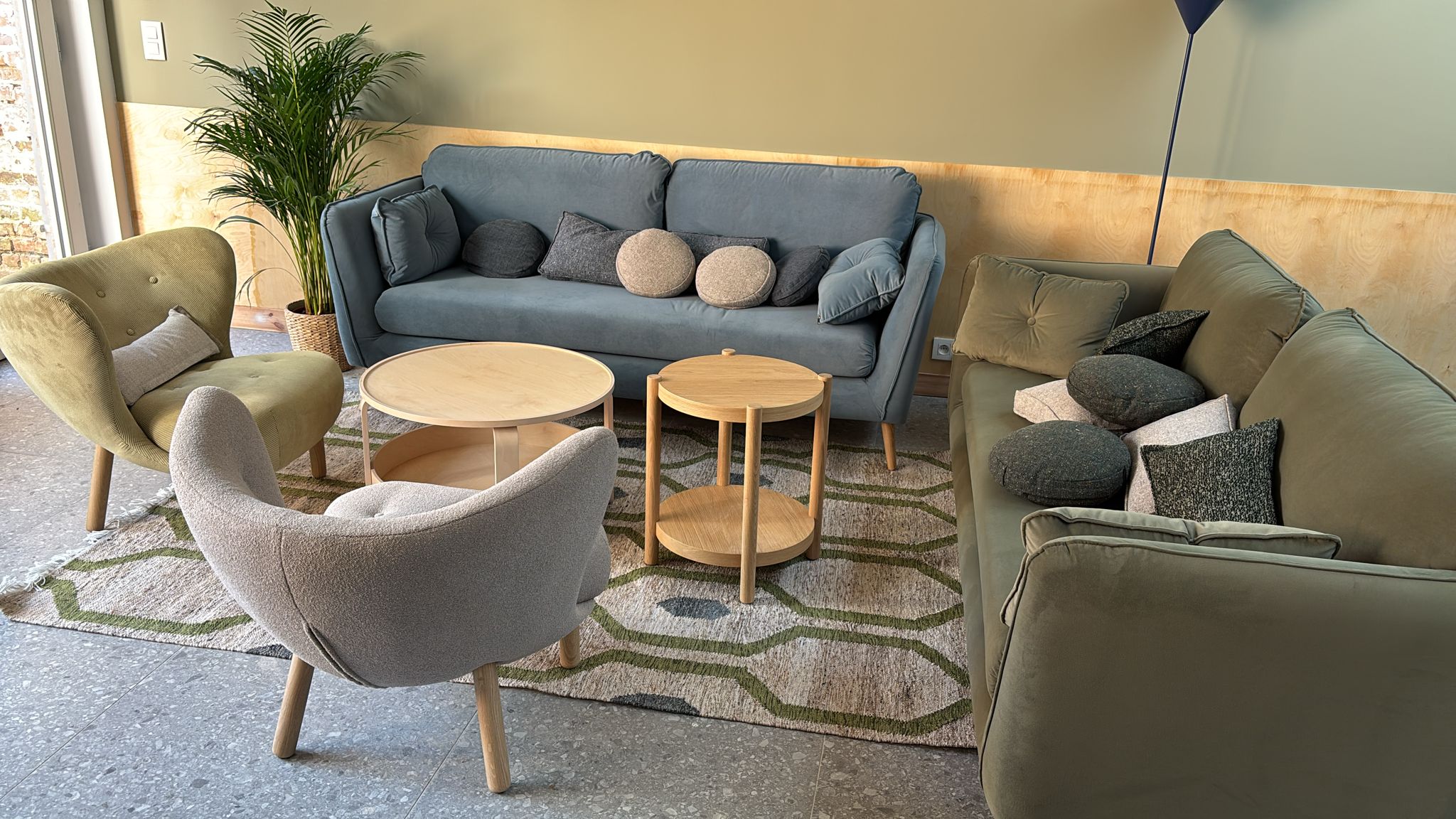
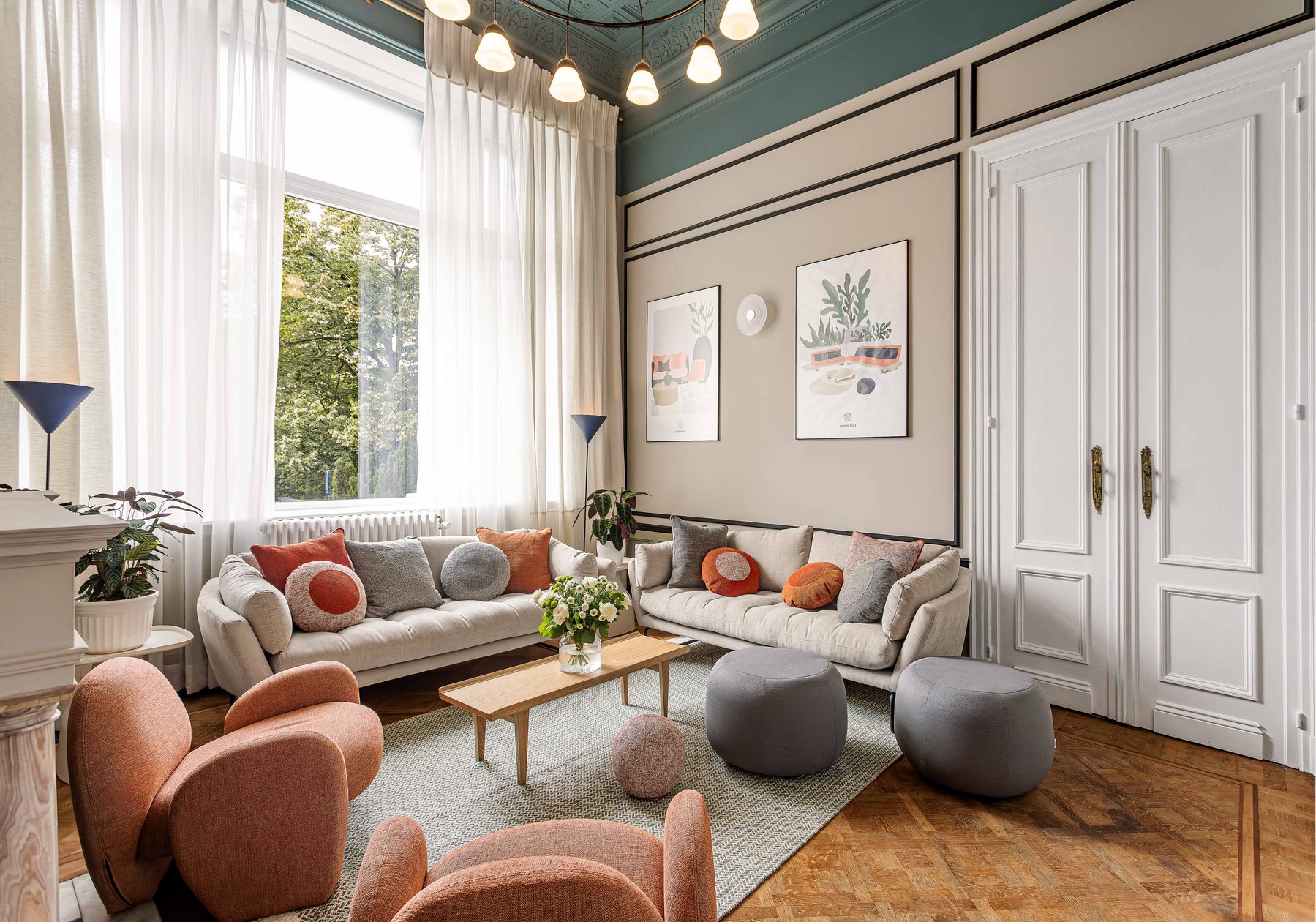
A studio comes with zero shared amenities, whereas coliving adds a gym, a coworking space, a cinema room, laundry, and a calendar of community events. The amenities included in a Brussels coliving house are listed below.
- On-site gym and workout space
- Coworking area for remote work and study
- Cinema or media room for shared film nights
- Shared laundry facilities
- Fully equipped communal kitchens
- Regular community events, from dinners to game nights
A studio tenant pays for a gym membership, a coworking pass, and any social life separately. The amenity gap matters most for someone arriving alone, because isolation hits newcomers hardest. Eurostat's EU-SILC data on loneliness reports that young adults aged 16–29 in the EU are among the groups most likely to report feeling lonely, and moving to an unfamiliar city sharpens that. Coliving can soften the landing by putting an existing community around you from day one — the kind of community events in Brussels coliving that a studio, by definition, cannot provide.
How Flexible Are Coliving Rooms and Studios in Brussels?
Coliving is markedly more flexible than a studio on every timing measure. Move-in for a coliving room can happen within 24 to 48 hours because the room is already furnished and connected, while a studio takes 2 to 6 weeks once you factor in the lease, utility contracts, and furniture delivery. Minimum stay follows the same pattern: coliving starts from 1 month, whereas a studio is realistically a 1-year commitment at minimum under a 3-6-9 lease. Leaving is faster too — 1 month's notice from a coliving room against 3 months plus a possible indemnité from a studio. The next section turns these differences into a decision about who should choose which.
Who Should Choose Coliving and Who Should Rent a Studio in Brussels?
Coliving suits people who arrive alone and value speed, low commitment, and built-in company. Coliving is the better choice for the profiles listed below.
- Newcomers and expats settling into Brussels for the first time
- EU trainees and interns on 3–12 month placements
- Digital nomads and remote workers who move often
- Anyone staying between 1 and 12 months who wants a furnished room and no admin
Comoon rents furnished coliving rooms across the European Quarter and Etterbeek with move-in available within days, and you can see current availability among its coliving rooms in Brussels. A studio, by contrast, is the better choice for the profiles below.
- Couples who want a separate apartment of their own
- People staying two years or longer, where a long lease pays off
- Anyone who needs total quiet and full control over their space
How Do You Decide Between Coliving and a Studio in Brussels?
You can decide between coliving and a studio in Brussels in five steps.
- Set your budget, comparing total monthly cost rather than base rent alone
- Fix your length of stay, because it drives which contract makes sense
- Weigh your privacy needs against the price of full self-containment
- Weigh your social needs, especially if you are moving alone
- Judge your tolerance for admin — utility contracts, insurance, and an état des lieux
As a rule of thumb, for stays under 12 months coliving is usually the cheaper and faster option, while for stays over 2 years a studio usually pays off. If you want the wider context before deciding, this overview of co-living in Brussels covers how the model works across the city.
What Are the Alternatives to Coliving and Studios in Brussels?
Coliving and a studio are not the only two options for a solo move. A colocation is a flatshare where several tenants split one apartment, usually on a shared lease. A kot is a student room let mainly to enrolled students. A serviced apartment is a premium, hotel-style furnished unit aimed at short corporate stays. Each of these deserves its own comparison — start with coliving vs colocation in Brussels or the full map of types of housing in Brussels.
Is Coliving Cheaper Than a Studio in Brussels?
Yes, coliving is usually cheaper than a studio in Brussels when total monthly costs are compared, because utilities, internet, and cleaning are included in the rent. A Comoon room from about €950 all-inclusive undercuts a studio's real total of roughly €1,060–1,520 once bills are added.
Is a Studio More Private Than a Coliving Room?
Yes, a studio is more private than a coliving room, because the entire unit is yours — kitchen, bathroom, and living space included. A coliving room with a private bathroom narrows this gap, leaving only the kitchen and living room shared.
Can You Rent a Coliving Room in Brussels for a Short Stay?
Yes, coliving rooms in Brussels can be rented from 1 month, while most studios require a lease of at least 1 year. That makes coliving the practical choice for placements, projects, and relocations that last under a year.