The main difference between a kot and coliving in Brussels is eligibility and contract: a kot is a student room reserved for enrolled students on an academic-year lease, while coliving is open to students, interns, and young professionals aged 18 and over on a flexible 1–12 month contract. A kot requires proof that you are studying; coliving does not.

A "kot" is the Belgian Dutch and French word for a student room — a rented bedroom in a shared student house or residence, a fixture of every Belgian university city. If you are weighing one against coliving, the two things that decide it are the student lease behind a kot and the all-inclusive rent behind coliving, because they set who can live where and what you pay. The sections below compare them in a fixed order: eligibility, definition, cost, contract, amenities, and use cases.
What Is the Difference Between a Kot and Coliving in Brussels?
A kot is the cheaper, student-only option tied to the academic year, whereas coliving is an open, furnished, all-inclusive option built for interns and young professionals as much as students. The differences between a kot and a coliving room in Brussels are compared in the table below.
| Criteria | Kot | Coliving |
|---|---|---|
| Who can live there | Enrolled higher-education students | Anyone aged 18 and over |
| Typical age | 18–24 | 25–35 (no upper limit) |
| Monthly cost | €400–650 | €700–1,200 all-inclusive |
| Contract length | Academic year (10–12 months) | 1–12 months |
| Bills | Sometimes separate (€50–100) | Included in the rent |
| Furniture & amenities | Basic, shared kitchen/bathroom | Furnished + gym, coworking, cleaning |
| Community | Fellow students | International young professionals |
| Best for | Full-time students on a budget | Interns, working students, mid-year arrivals |
A kot wins on price for a full-time student, while coliving wins on flexibility, standard, and a professional network — the sections below explain each row.
What Is a Kot in Belgium?
A kot is a private student room in a shared house or residence in Belgium, rented to enrolled higher-education students, usually for the academic year. Renting one generally requires a bail étudiant — the student lease recognized under the Brussels Housing Code — and proof of enrollment (a certificate of student status from your université or haute école). A special variant, the kot à projet, groups students around a shared theme or project in exchange for community commitments.
A kot typically runs 10 to 12 months and lets a student end the lease early for study-related reasons, usually on 2 months' notice. Facilities are basic: a private bedroom, often with a shared kitchen and bathroom, let by a private landlord or a managed residence. It is, in short, the entry-level student room — cheap, functional, and tied to your student status. For where it fits among the city's other options, see this guide to types of housing in Brussels.
Who Can Live in a Coliving in Brussels?
Coliving in Brussels is open to anyone aged 18 or over — students, interns, trainees, and young professionals — and does not require student status. There is no enrollment certificate to produce and no academic calendar to fit into. Operators usually set no upper age limit, though the average resident is 25 to 35 years old, which shapes the atmosphere toward working people rather than first-year undergraduates.
Instead of proof of study, some operators ask for proof of income or a guarantor, since the resident is renting on their own account rather than as a student. That "no student status required" openness is exactly why an intern on a placement or a graduate starting a first job can move into coliving where a kot would turn them away. For the full picture of how the model works, see this overview of co-living in Brussels.
How Much Does a Kot Cost Compared to Coliving in Brussels?
A kot in Brussels costs €400–650 per month, while a coliving room costs €700–1,200 per month all-inclusive. In a kot, utilities are often billed on top (€50–100 per month) and the deposit runs 1 to 2 months, so the real total sits a little above the headline rent. A Comoon room from about €950 already includes electricity, water, internet, cleaning, a gym, and a coworking space — nothing added at the end of the month.
The honest gap is €300–450 per month in the kot's favor. A kot is genuinely cheaper; coliving is not trying to beat it on price. What the extra rent buys is a higher standard, month-to-month flexibility, and a professional community rather than a purely student one. To see how the all-inclusive figure is built, compare it against these coliving prices in Brussels.
How Do Kot and Coliving Contracts Differ for Students?
A kot uses a student lease tied to the academic year, while coliving contracts run month to month from 1 to 12 months. The bail étudiant assumes you are studying and lets you leave early for study reasons on 2 months' notice; a coliving contract makes no such assumption and typically asks for 1 month's notice. Deposits differ modestly — 1 to 2 months on either side, held as a garantie locative.
Registration is the subtler difference. A kot student often stays domiciled at their parents' address rather than registering the kot, whereas a coliving lease can generally support domiciliation at the commune — though you should check with the commune, since practice varies by house and by gemeente. Student housing splits into three contract regimes: a private kot, a university residence, and coliving, each with its own rules on eligibility and notice. The middle ground between a student room and a self-run flatshare is worth understanding too — see coliving vs colocation in Brussels.
What Do Students Get in a Coliving That a Kot Does Not Offer?
Coliving adds a layer of amenities and services that a standard kot leaves out. The features a coliving room offers beyond a kot are listed below.
- A private bathroom option, instead of a shared student bathroom
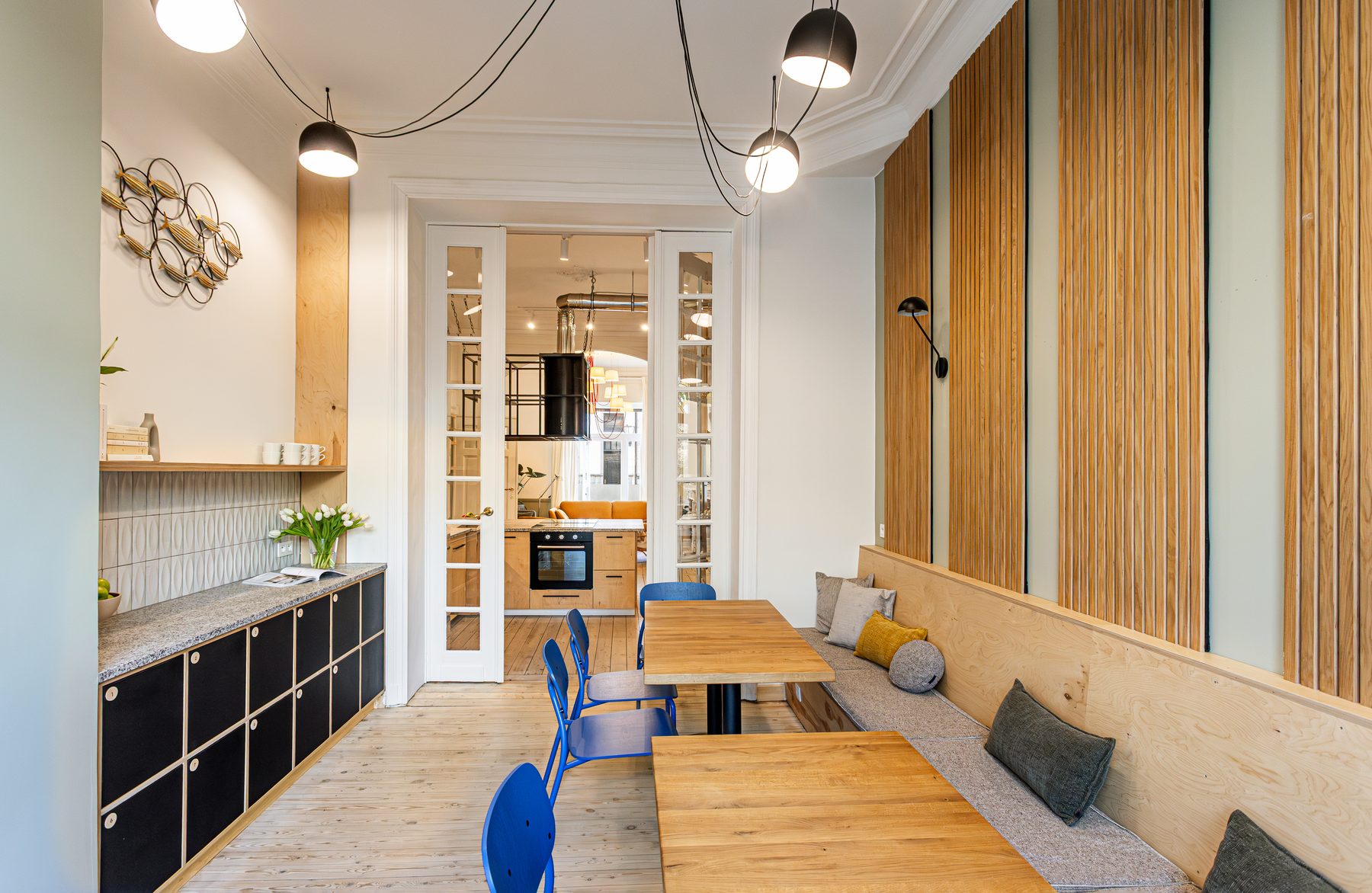
- Weekly cleaning of common areas, handled by the operator
- A gym and yoga space on site
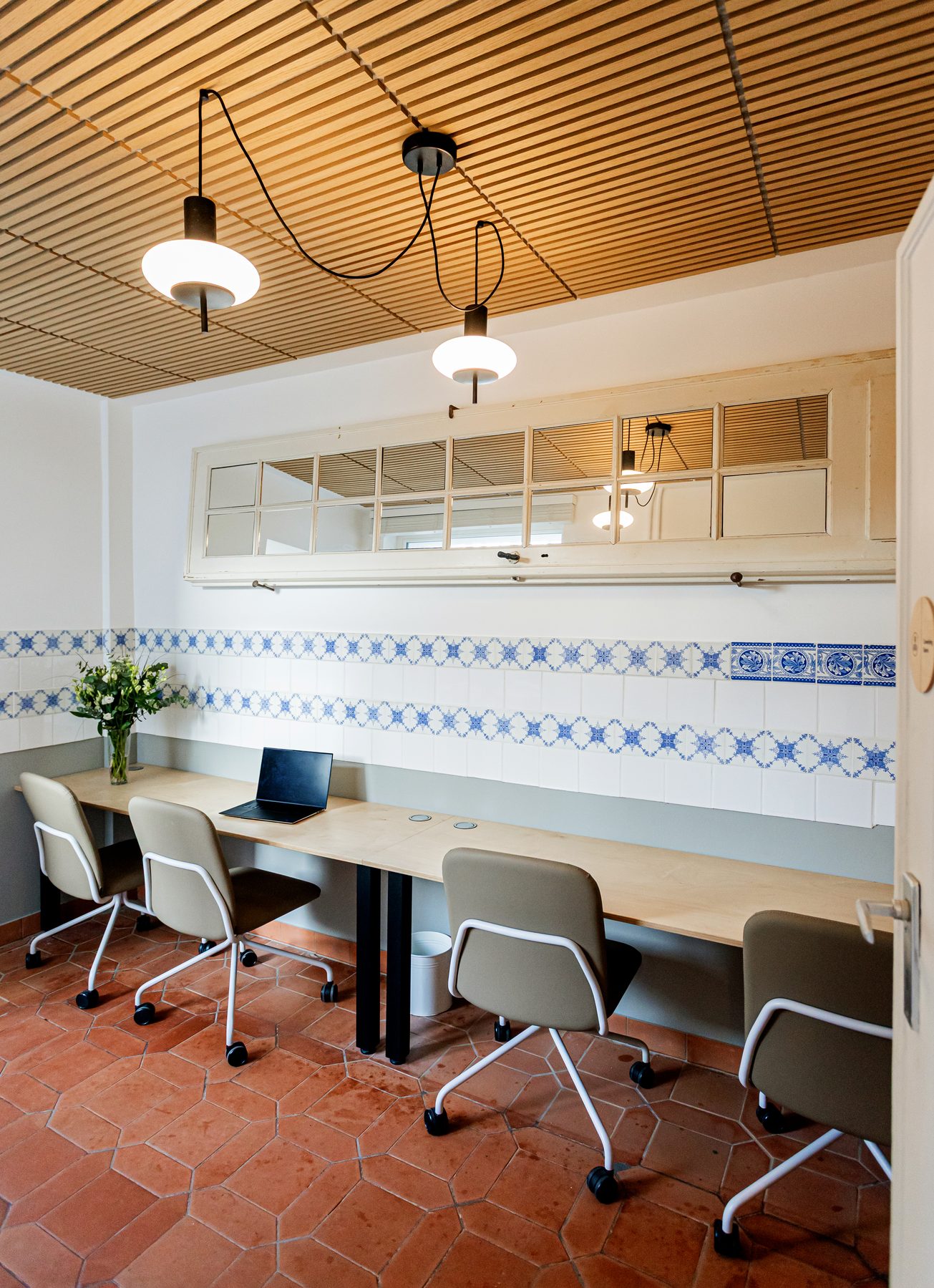
- A coworking space suited to writing a thesis or dissertation
- A calendar of community events
- An international community of young professionals
That coworking space can double as the quiet desk where a final-year student writes their thesis, and the community can put you next to people working at the EU institutions around Schuman. Those are connections a kot, sized for undergraduate life, rarely provides. For remote study and work in particular, this look at coliving with coworking in Brussels shows how the workspace fits daily life.
When Does Coliving Make More Sense Than a Kot for Students?
Coliving overtakes a kot in several specific situations. You should consider coliving over a kot in the four cases listed below.
- You are on a placement or internship of 3 to 6 months, such as Erasmus+ or a Blue Book traineeship
- You are in your final year of study and starting your first job
- You are a student with income who wants a higher standard than a basic kot
- You arrive mid-academic-year, when kots are already taken from September
In each of these, the kot's academic-year lease and student-only rule work against you, while coliving's flexibility fits. Comoon keeps furnished rooms available near Schuman, and you can check current coliving rooms in Brussels for mid-year move-in dates.
How Do You Choose Between a Kot and Coliving in Brussels?
You can choose between a kot and coliving in Brussels by working through four steps.
- Check your eligibility and status — a kot requires proof of enrollment
- Set your budget, remembering a kot runs €300–450 cheaper per month
- Match the contract to your stay, whether it is a full year or a few months
- Weigh the amenities and community against the price difference
The rule of thumb: choose a kot if you are an enrolled student on a tight budget staying the full academic year; choose coliving if you are an intern, a working student, or arrive outside September.
What Other Housing Options Do Students Have in Brussels?
A kot and coliving are not the only routes. A university residence is student housing run directly by an institution, allocated by application and usually the cheapest option of all. A colocation is a flatshare where students split one apartment on a shared lease. A studio is a small self-contained apartment for a student who wants full privacy. Each suits a different budget and stage — for the private-apartment route, see coliving vs studio in Brussels.
Can Students Live in a Coliving in Brussels?
Yes, students can live in a coliving in Brussels if they are 18 or over and can cover the rent. Student status is not required but is not an obstacle either, so an enrolled student and a graduate professional can share the same house.
Is There an Age Limit for Coliving?
There is a minimum age of 18 for coliving in Brussels, and most operators set no upper age limit. The average resident is 25 to 35 years old, which tilts the community toward working people rather than first-year students.
Is Coliving Cheaper Than a Kot?
No, coliving is not cheaper than a kot — it costs €300–450 more per month, because the rent includes bills, cleaning, a gym, and coworking that a kot does not provide. A kot stays the better-value choice for a full-time student on a tight budget.