Renting a coliving room in Brussels is an online-first process, shorter and simpler than a classic rental. It takes five steps, and with your documents ready the whole thing can close in less than a week. This guide walks through each step — search, viewing, application, contract and move-in — along with the documents you need, the money required upfront, and the criteria that separate a good coliving from a poor fit in 2026.
What Are the 5 Steps to Rent a Coliving Room in Brussels?
The five steps to rent a coliving room in Brussels are listed below.
- Search for a room.
- Book a viewing, in person or virtual.
- Apply with your documents.
- Sign the contract and pay the deposit.
- Move in and complete the état des lieux.
Each step is expanded below, in the same order, so you can follow the process from first search to your first night in the house.
Step 1: How Do You Search for a Coliving Room in Brussels?
Searching for a coliving room in Brussels starts with the right sources and the right filters. Look on operator websites, coliving marketplaces and general housing platforms, then filter on four criteria: neighborhood, budget, room type and contract length. Start four to eight weeks before your move-in date, and earlier still for the August–September peak, when demand from new arrivals and trainees is highest.
Budget-wise, all-inclusive rooms run €500–€1,200 per month in 2026, with the European Quarter, Chatelain/Brugmann, Ixelles and Etterbeek at the higher end. The fastest way to compare real options is to browse available coliving rooms in Brussels and filter to your neighborhood and price.
Step 2: How Do You Book a Viewing (In-Person or Virtual)?
A viewing can be done in person or virtually by video call, and operators in Brussels offer both formats. During the viewing, check six things:
- Room size and natural light.
- Bathroom, whether private or shared.
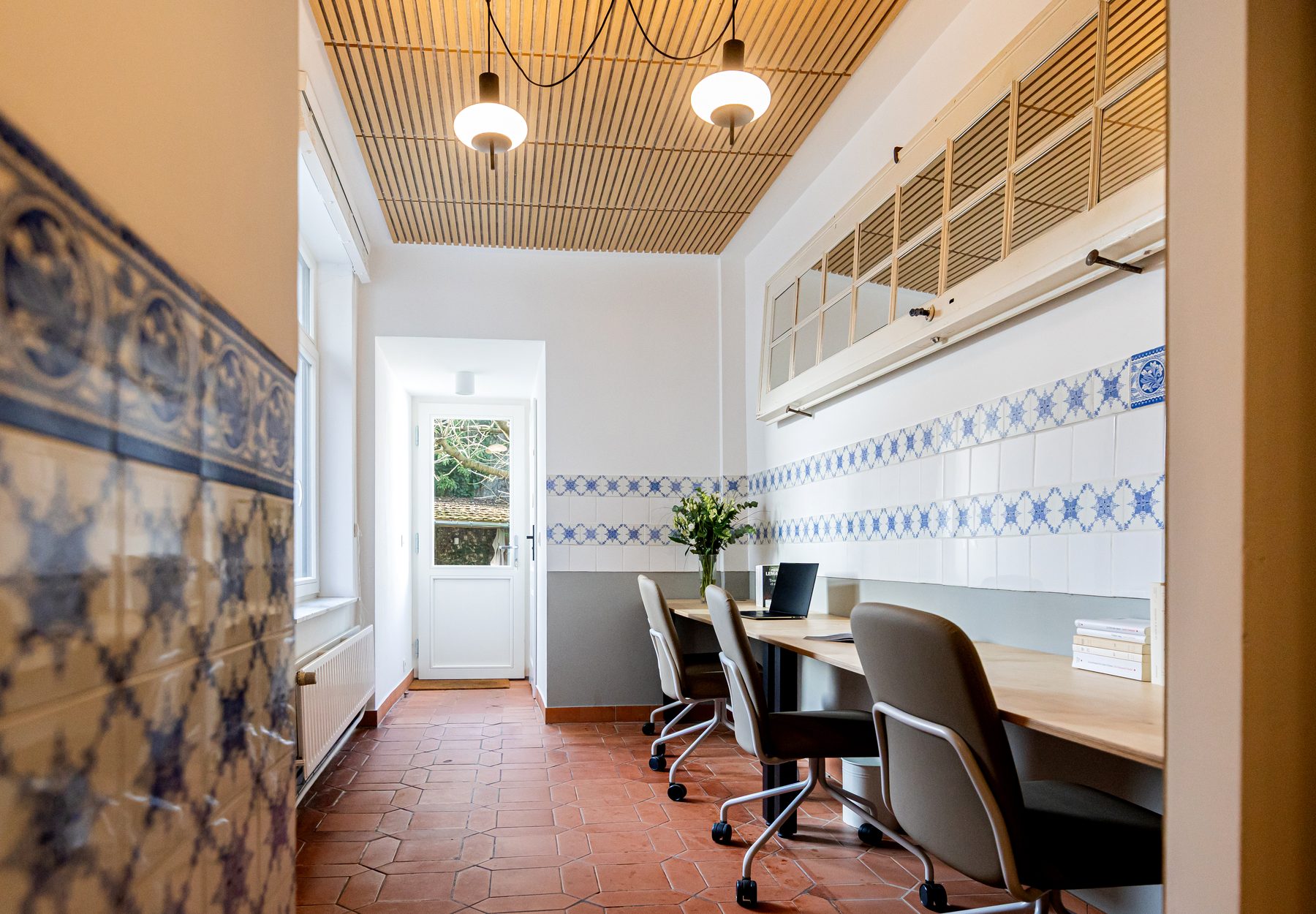
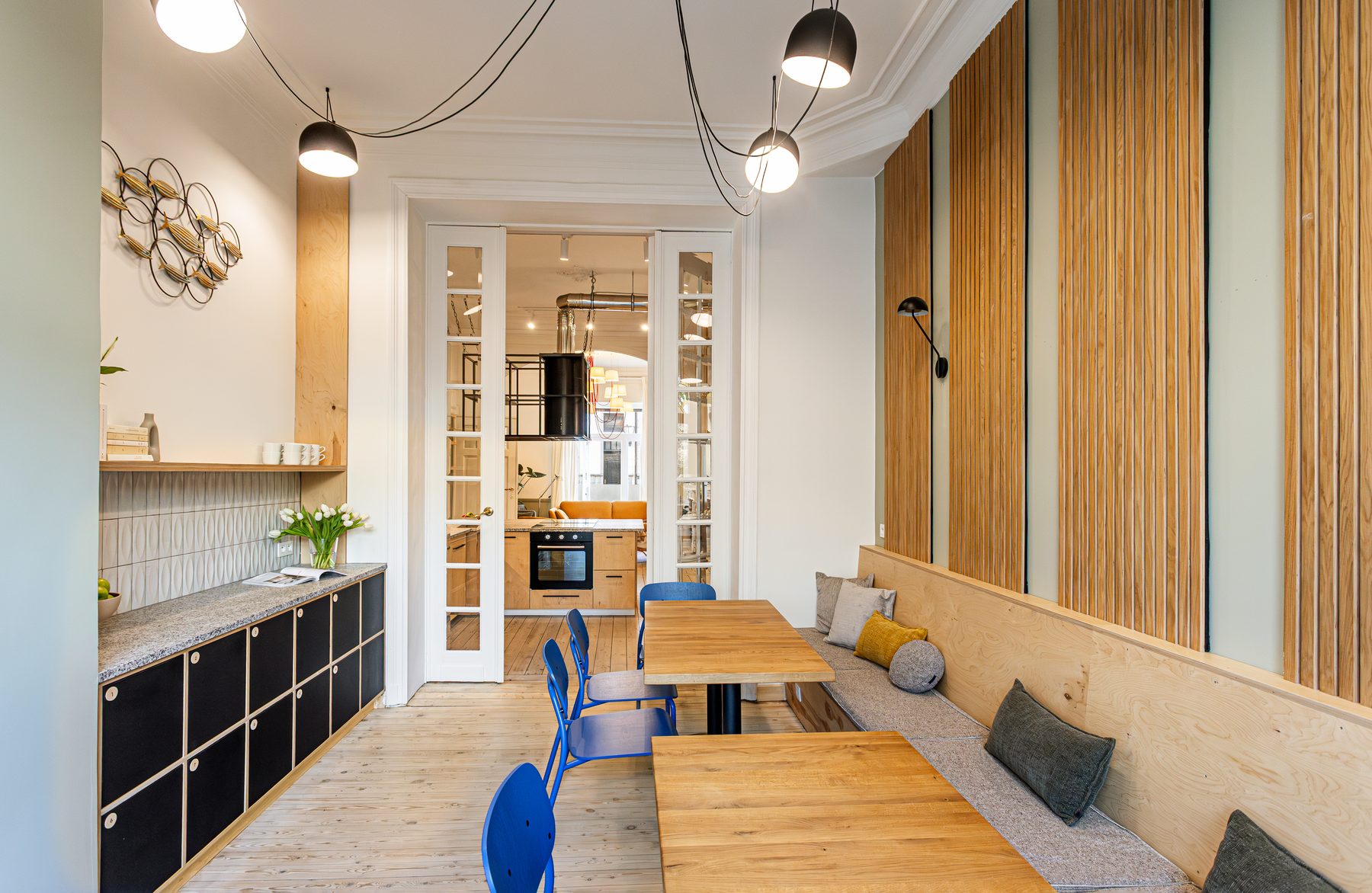
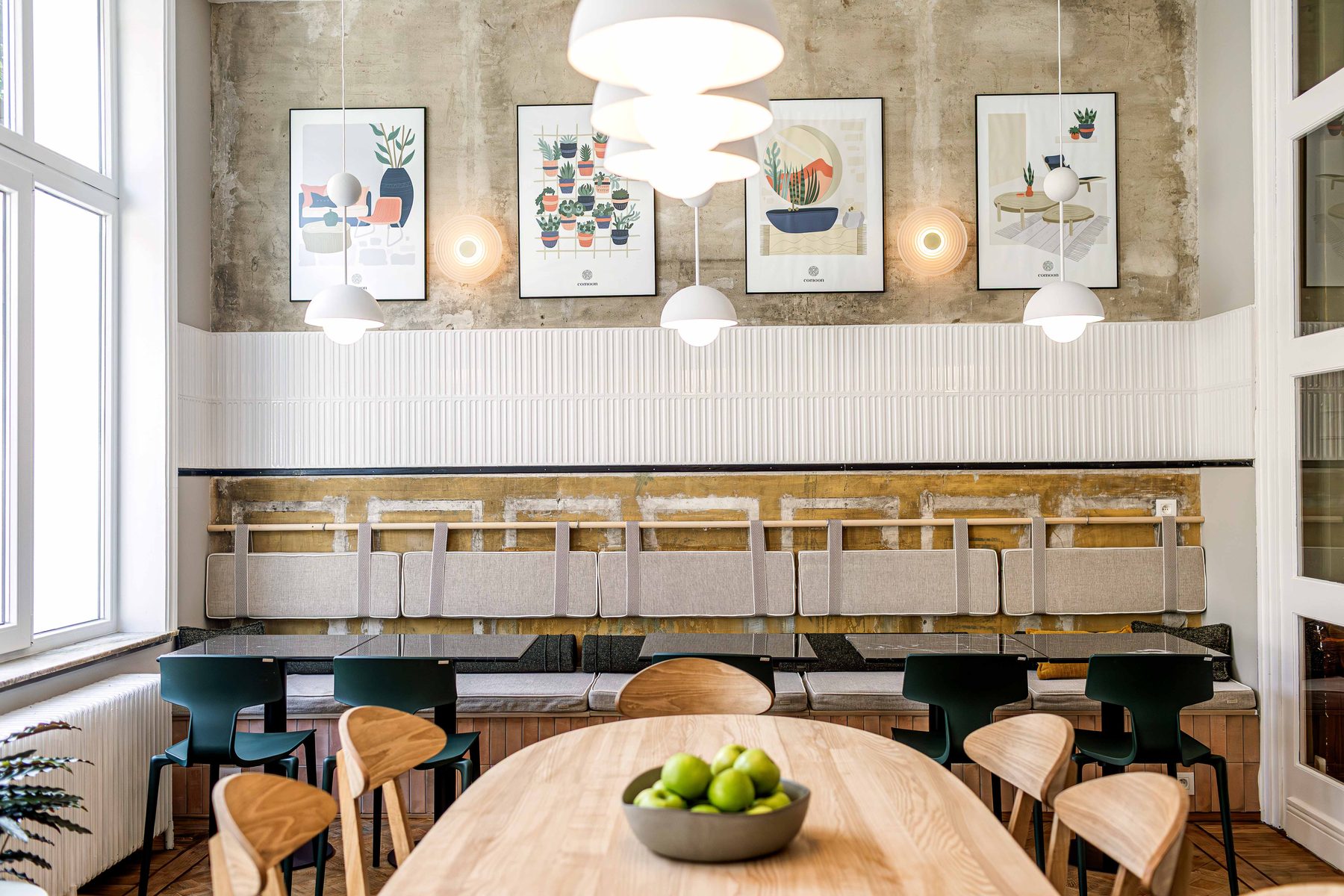
- Common areas and their cleanliness.
- Noise levels and the neighbours.
- House community and the events calendar.
- Bike storage and transport links (STIB/MIVB).
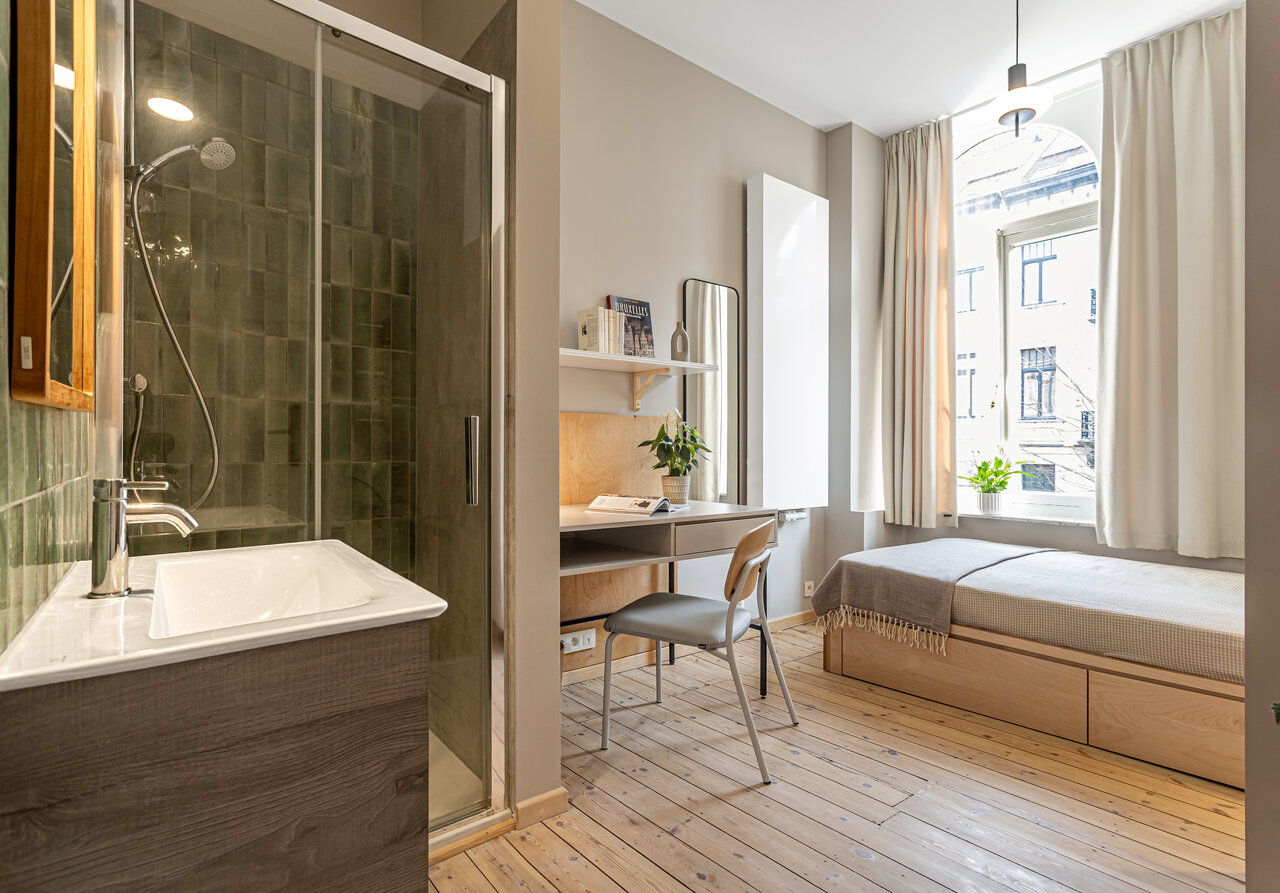
Rooms typically run 12–20 m², so use the viewing to judge whether the space works for you day to day. If a private bathroom is on your list, coliving with a private bathroom explains what to look for.
Step 3: How Do You Apply for a Coliving Room?
Applying for a coliving room means submitting a short set of documents and, usually, a quick intro call. The table below shows what operators ask for and why.
| Document | Required? | Why the operator asks |
|---|---|---|
| ID or passport | Yes | Identity and the lease |
| Proof of income or employment letter | Usually | Affordability |
| Traineeship or study agreement | Alternative | For trainees and students |
| Short motivation or intro call | Often | Community fit |
| Guarantor letter | Rarely | Only some operators |
Belgium has no credit check system, so operators assess your documents and the conversation rather than a score. The intro call with a community manager is an industry standard, and for EU trainees the Blue Book traineeship agreement stands in for proof of income.
Step 4: How Do You Sign the Coliving Contract?
Signing the coliving contract runs in four moves: review the lease, sign it, pay the deposit and pay the first month's rent. Review the regime, notice period and exactly what the rent includes. Sign — a qualified e-signature is legally recognised in Belgium. Pay the deposit, typically one to two months, held on a blocked account for main residence leases in Brussels. Then settle the first month's rent.
The type of lease behind the contract shapes your notice and deposit, but that is a topic in its own right. For the regimes and clauses in full, see coliving contracts in Belgium.
Step 5: How Do You Move into a Brussels Coliving?
Moving into a Brussels coliving is a short list of tasks on the agreed date:
- Schedule the move-in date with the operator.
- Complete the état des lieux d'entrée with photos, meter readings and keys.
- Receive your keys and house access.
- Meet your community manager and housemates.
- Read the house rules.
Because the room is furnished, you move in without hauling furniture or waiting on utility connections — the sharp contrast with a studio, where both fall on you. From here, the community is the part that turns a room into a home.
How Long Does It Take to Rent a Coliving Room in Brussels?
Each step of renting a coliving room carries a typical duration, shown below.
| Step | Typical duration |
|---|---|
| Search | A few days to 2 weeks |
| Viewing | 1–3 days to schedule |
| Application review | 24–72 hours |
| Contract and payment | 1–2 days with e-signature |
| Move-in | From the agreed date |
The whole process can close in less than a week, and typically in one to two weeks, if your documents are ready. Preparation is the deciding factor: scanned ID and proof of income turn a multi-week search into a matter of days.
How Much Money Do You Need Upfront to Rent a Coliving Room?
Upfront, you usually need the equivalent of three months' rent: the deposit (two months) plus the first month's rent. At €850 per month, that works out to roughly €2,550 before you move in. Most operators charge no agency fees, which is one cost a classic rental adds and coliving does not.
That upfront figure is the single biggest number in the process, so plan for it early. The full pricing picture — averages, ranges and what the rent includes — sits in coliving prices in Brussels.
How Do You Choose the Right Coliving in Brussels?
Choosing the right coliving in Brussels comes down to five criteria, ordered by weight below.
- Location — how far the house sits from your work or the EU institutions; Schuman, for example, keeps the commute short.
- Budget — the all-in monthly price against your salary.
- Room type — whether you want a private bathroom or accept a shared one.
- Community profile — whether the house skews toward young professionals, trainees or nomads.
- Contract flexibility — how the notice period and term match your plans.
Weigh location first, since it drives both price and daily commute. If working near the institutions matters, our coliving houses near Schuman sit inside the European Quarter, a few minutes from the main EU buildings.
What Should You Arrange After Moving In?
After moving in, four tasks close out the setup, listed below.
- Register your address at the commune to make the room your official residence.
- Get tenant liability insurance to cover damage you might cause.
- Set up a Belgian phone or bank account if you need one locally.
- Join the house community events to settle in socially.
Each of these has its own procedure, so treat this as a checklist rather than a how-to. Registration in particular is a formal step, covered start to finish in registering your address in a Brussels coliving.
How Fast Can You Start Living in the Community?
Coliving compresses the settling-in period that solo renters drag out for weeks. The events calendar, shared dinners and coworking space are open from your first week, so you meet housemates immediately rather than living alone while you find your footing. A Thursday house dinner in your first days does more for belonging than a month in an empty studio. The community events in Brussels coliving guide shows what a typical social calendar looks like.
Can You Rent a Coliving Room in Brussels from Abroad?
Yes, you can rent a coliving room in Brussels entirely from abroad, because virtual viewings, online applications and e-signatures cover every step before move-in. Prepare your documents scanned in advance — ID, proof of income and, for trainees, the traineeship agreement — and you can complete the whole process from another country and simply arrive to collect your keys.
Do You Need a Belgian Bank Account to Rent a Coliving Room?
No, you do not need a Belgian bank account to rent a coliving room; most operators accept SEPA transfers from any EU account, and a Belgian account can wait until after your commune registration. Paying the deposit and first rent from your home-country account is standard, which is exactly what makes renting from abroad workable before you have set foot in Belgium.