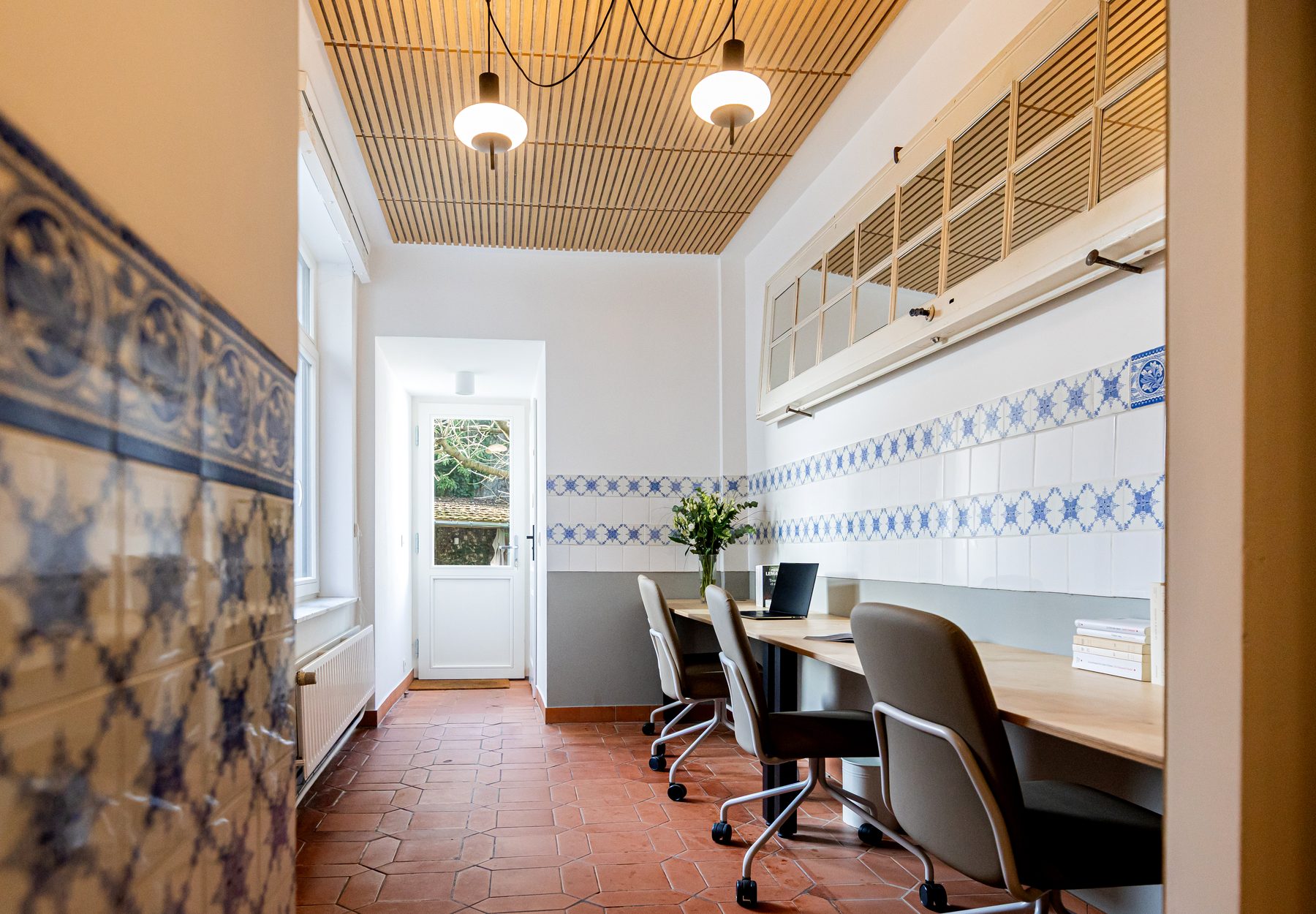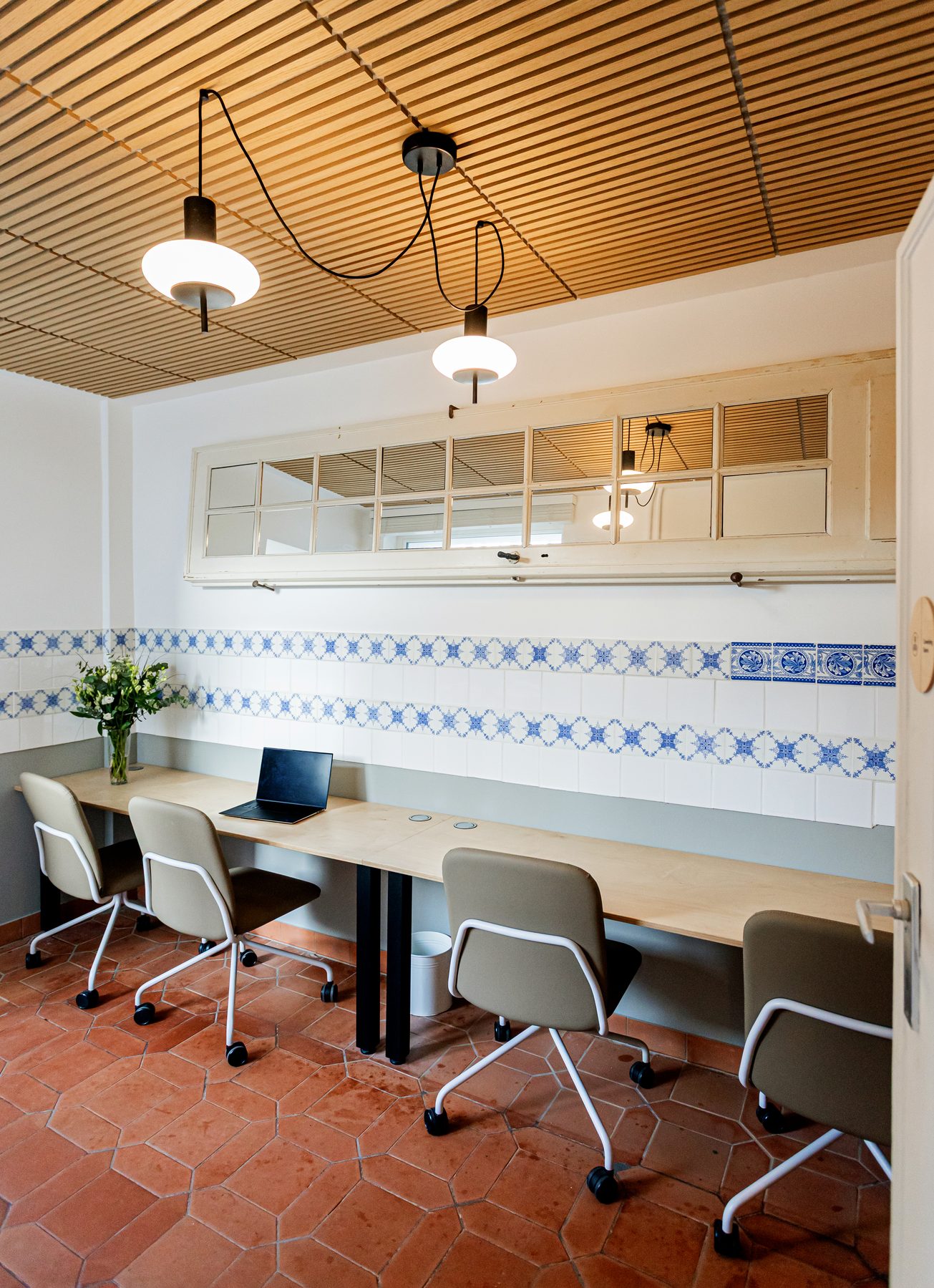
Belgian law requires anyone staying longer than three months to register their main residence in the population register of their commune (gemeente). You can register your address in a coliving room, provided your lease allows it to be your main residence. This guide covers what domiciliation is, who must register, how the process runs across the 19 communes of Brussels, which documents you need, how the police check works inside a shared house, and how long the whole thing takes in 2026.

What Is Domiciliation (Address Registration) in Belgium?
Domiciliation is the official registration of your main residence in the population register of a Belgian commune. It creates your national register number and is required for stays longer than three months under Belgian law.
Registration unlocks the essentials of daily life, listed below.
- National register number — your unique identifier for every administration
- eID card — the Belgian electronic identity card
- Health insurance through a mutuelle
- Bank verification for opening and confirming accounts
- Tax residence in Belgium
Without it, you have no national number, and most of the services above stay out of reach. In a coliving, the register records your room at the house address, exactly as it would record a flat.
Who Must Register with a Commune in Brussels?
Three groups face different rules, set out below.
- EU citizens staying longer than three months should apply for a registration certificate (annexe 19) within three months of arrival.
- Non-EU citizens with a long-stay visa should report to the commune within eight working days of arrival.
- People staying under three months file a declaration of arrival or presence instead of registering, using annexe 3A for private accommodation where it applies.
The order — EU citizens first, then non-EU citizens, then short stays — holds throughout this guide. If you fall in the first two groups, the clock starts on arrival, so treat registration as an early task rather than a later one.
How Do You Register Your Address in a Brussels Coliving?
Registering your address in a Brussels coliving follows six steps, listed below.
- Sign a lease that allows main residence, so the room qualifies as your official home.
- Book an appointment at your commune, which most Brussels communes handle online.
- Submit your documents, complete and in order, at the appointment.
- Receive the police check at your coliving address, where an officer confirms you live there.
- Collect your annexe 8 (EU citizens) or residence card once the check is positive.
- Order your eID or residence card and wait for production.
In a coliving the steps are identical to those in a private flat — only the address verification differs, because an officer visits a shared house rather than a solo apartment. The regime of your lease is what makes step one possible, and coliving contracts in Belgium explains which lease allows main residence.
Which Documents Do You Need for Commune Registration?
The documents you need for commune registration in Brussels are set out in the table below.
| Document | Required for | Notes |
|---|---|---|
| Valid passport or ID card | Everyone | Original, not a copy |
| Signed lease or proof of address | Everyone | Must show the coliving address |
| Passport photos | Everyone | Number varies by commune |
| Proof of employment, traineeship agreement or sufficient resources | EU citizens | Payslip, contract or Blue Book traineeship agreement |
| Long-stay visa D | Non-EU citizens | Issued before arrival |
| Proof of health insurance | Non-EU citizens, sometimes EU | Cover valid in Belgium |
| Marriage or birth certificates, if relevant | Family cases | Legalised or apostilled |
Since 1 September 2025, Brussels communes may require a complete dossier at the first visit, and an incomplete application may not be accepted. Assemble every document before you book, and note that Blue Book trainees at the European Commission use their traineeship agreement as proof of resources.
Where Do You Register: Your Commune or Gemeente Office?
You register at the commune where you actually live, and Brussels is made up of 19 communes (communes/gemeenten), each with its own population department and its own appointment procedure. Residents of colivings near Schuman usually register in Brussels-City, Schaerbeek or Etterbeek, depending on which house they live in.
Which office you use is fixed by your address, not by choice, so the commune follows from the house. Our houses sit in exactly these communes — you can see the coliving houses near Schuman and the commune each one falls under before you plan the appointment.
How Does the Police Check (Residence Verification) Work?
After you file your application, a local police officer (agent de quartier) verifies that you actually live at the declared address; the visit is usually unannounced and can happen within a few weeks. In a shared house, a few small steps make the check straightforward:
- Put your name on the letterbox and doorbell so the officer can find you.
- Inform your community manager that a visit may come.
- Keep your room recognisably yours, with your belongings in place.
- Leave a phone number if you are often absent during the day.
If the officer does not find you, they usually leave a notice or return later, so a missed first visit is not the end of the process — it simply delays it.
How Long Does Commune Registration Take in Brussels?
The stages of commune registration each carry a typical timeframe, shown below.
| Stage | Typical time |
|---|---|
| Appointment waiting time | Days to a few weeks, commune-dependent |
| Police check | Within a few weeks of application |
| Annexe 8 / registration certificate | Often same day after a positive check (EU) |
| eID or residence card production | About 2–3 weeks |
Taken together, the process usually takes one to three months, depending on the commune and your status. The variable that moves the timeline most is the appointment wait, which differs sharply between the 19 communes.
How Much Does Commune Registration Cost?
Administrative fees vary by commune, and as of 2026 they typically run about €20–€30 for the application, plus roughly €20–€30 for the eID or residence card. Some non-EU applicants pay a separate federal fee earlier in the visa procedure, before they ever reach the commune. Budget a modest amount either way; registration is not an expensive step.
What Do You Get After Registration: eID, National Number and Access to Services?
Registration ends with a set of concrete gains, listed below.
- National register number — the identifier every Belgian administration uses
- eID or residence card — your official proof of legal residence
- Registration with a mutuelle for health insurance cover
- Easier banking and phone contracts, now that your address is verified
- Access to commune services and resident parking cards
For EU citizens the certificate and number arrive first, and for non-EU citizens the residence card follows the same logic once the visa checks clear. With these in hand, the rest of expat life admin becomes far simpler.
How Does Your Coliving Contract Affect Domiciliation?
Domiciliation depends on your lease: registration requires a contract that allows the room to be your main residence, and a common law lease usually does not permit it. Before you sign, the operator should confirm that the address supports domiciliation, and Comoon houses are set up so that residents on a main residence lease can register. The lease regime, in other words, is the gate the whole registration passes through — which is why the contract choice comes before the commune visit, not after.
What Else Should Expats Arrange When Moving to Brussels?
Beyond registration, four tasks round out settling in, listed below.
- Health insurance through a mutuelle, once you have your national number
- A Belgian bank account for local payments
- A phone plan on a Belgian number
- A STIB/MIVB transport pass for the metro, tram and bus
Each of these gets easier after registration, since your national number and address are already on file. The wider move is covered in coliving for expats moving to Brussels.
Can You Register Your Address in a Coliving Room in Brussels?
Yes, you can register your address in a Brussels coliving if your lease allows main residence and the commune's police check confirms you live there. Rooms rented under a common law lease usually do not allow it, so the answer turns entirely on the regime your operator writes into the contract. Confirm that point before signing, and the coliving room registers like any other home. The full model is covered in the co-living in Brussels overview.
Do EU Trainees on Short Stays Need to Register?
No, EU trainees staying under three months do not register with the commune; they can file a declaration of presence instead, and Blue Book trainees should follow the instructions of their institution. If the traineeship then extends past three months, the standard registration rules for EU citizens apply from that point.
Can You Be Fined for Not Registering in Belgium?
Yes, you can face an administrative fine and practical problems — no national number, no mutuelle, difficult banking — if you stay longer than three months without registering. The fine is the smaller issue; the real cost is being locked out of health insurance and everyday services until you register. Treating registration as an early priority avoids both.