
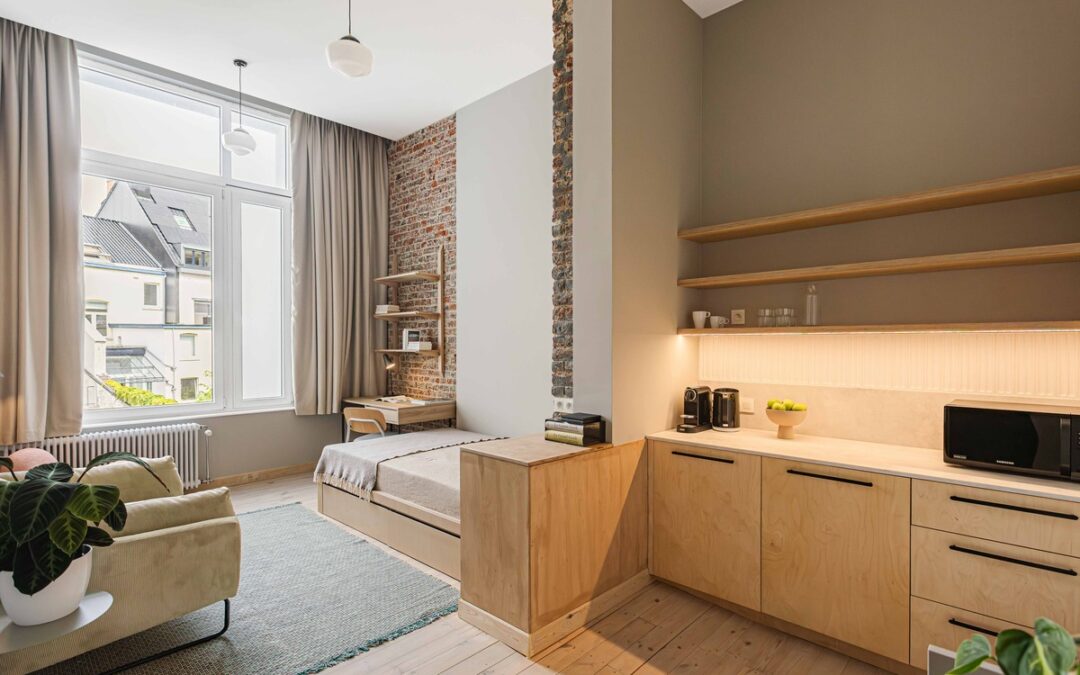
Co-living in Brussels that actively shrinks your environmental footprint, from photovoltaic systems generating renewable power to recycling programs that keep waste in check. These aren’t buzzwords; they’re built-in features that make sustainable living effortless and affordable.
This expert guide dives into how coliving in Bruxelles leverages energy-efficient design, low-emission practices, and solar energy to create homes that align with Brussels’ carbon-neutral ambitions. If you’re a climate-conscious expat, policy wonk, or just someone who wants to live lighter, here’s what sets eco-forward coliving Bruxelles apart.
Brussels’ Green Push: Why Coliving Fits Perfectly
The Belgian capital aims for climate neutrality by 2050, with incentives for low-CO₂ buildings and renewable energy adoption. Traditional rentals often lag—older flats guzzle energy via outdated heating and single-occupant appliances. Enter coliving in Brussels: by sharing resources across 10–15 residents, these spaces cut per-person emissions by up to 40%.
Key to this? Passive sustainability—design choices that work without daily effort. As one operator puts it: “We make a Positive Impact on the environment through responsible practices… with measures taken to ensure low emissions of CO₂ through the use of energy-efficient appliances and building design.”
Solar Power and Renewables: Generating Your Own Clean Energy
At the heart of sustainable co-living in Bruxelles are photovoltaic systems—solar panels discreetly integrated into rooftops. These aren’t vanity projects; they produce renewable energy to offset communal needs:
- Daily output: Enough to power high-speed Wi-Fi routers, LED lighting in shared kitchens, and even the gym’s cardio machines during peak sun hours.
- Grid integration: Excess energy feeds back into Brussels’ network, qualifying residents for subtle “prosumer” benefits like stabilized bills.
- Real impact: In locations like Schuman and Montgomery, panels help maintain “low CO₂ emissions,” aligning with the city’s push for greener urban living.
Imagine starting your day with coffee brewed on solar-generated power—it’s a small win that compounds over months.
Low-Emission Design: Efficiency in Every Corner
Sustainability here is holistic, woven into the architecture and operations:
Energy-efficient appliances—like induction hobs in communal kitchens and inverter AC units—slash electricity draw without skimping on performance. Building envelopes feature better insulation and double-glazed windows, trapping heat in winter and cool air in summer. The result? Homes that stay comfortable year-round with minimal fossil fuel reliance.
Then there’s the emphasis on soft mobility: Every room comes with designated bike parking, encouraging pedal-powered commutes to nearby metro stations or EU offices. It’s eco-friendliness that doubles as convenience—no hunting for street racks in Schaerbeek’s bustling streets.
Waste Reduction: Recycling and Responsible Habits
No green home is complete without tackling trash. Coliving in Brussels implements recycling programs to minimize landfill contributions:
- Sorted bins in every common area guide residents toward proper separation—plastics, organics, paper—all collected curbside under Brussels’ efficient municipal system.
- Shared laundry facilities use high-efficiency machines that optimize water and detergent, reducing microplastic runoff.
- Community events, like weekly dinners, promote bulk buying and zero-waste cooking—think seasonal veggies from local markets, portioned to avoid leftovers.
These systems aren’t enforced with rules; they’re normalized through design. Residents naturally adopt them, cutting household waste by 25–30% compared to solo living.
The Cost of Going Green: Transparent and Affordable
Eco features don’t inflate prices—they optimize them. Here’s a realistic breakdown for coliving Bruxelle:
- Base rent: From €790 (starting rooms) to an average of €870 per private room with en-suite.
- All-inclusive charges: €150 total, covering:
- Cleaning (€50): Weekly pro service for shared spaces.
- Internet (€40): Fiber-optic, unlimited for work and streaming.
- Supplies (€25): Essentials like toilet paper and kitchen basics.
- Fitness (€25): Full gym access, no extra fees.
- Grand total: Around €940–€1,020/month—often less than a traditional flat when you factor in no separate utility bills.
Solar and efficiency perks keep energy costs near zero for commons, passing savings directly to you. Flexible leases (from 1 month) mean you can test the waters without long-term commitment.
Living It: A Week in Sustainable Coliving
Picture this: Monday morning in Montgomery—you roll out of bed, grab a quick solar-charged phone buzz, and head to the kitchen. Brew tea on an efficient kettle while sorting last night’s recyclables. Midday, lock your bike and cycle to a Schuman meeting—emissions? Minimal.
Evenings bring communal dinners where shared platters mean less food waste. And on weekends, hit the gym powered partly by those rooftop panels, or join a repair workshop in the lounge to extend the life of your gear.
It’s sustainability that feels seamless, fostering a community of like-minded folks who swap tips on Brussels’ best zero-waste cafes.
Looking Ahead: Schuman 42 and Beyond
Excitement builds for Schuman 42 (1000 Brussels), set to open soon. This new addition promises to amp up the eco-game with even tighter integration of photovoltaics and low-emission tech—right in the EU quarter for ultimate convenience.
As Brussels rolls out more green incentives, expect coliving to lead: more panels, smarter grids, and deeper community ties to urban sustainability projects.
Intrigued by low-impact living in the EU’s greenest hub? Discover eco-friendly coliving in Schuman and Montgomery